How Often Should You Detail Your Car in Minnesota?
The short answer
Most Minnesota drivers should get a full detail twice a year — once in spring to remove winter salt and road film, once in fall before salt season — with an interior detail added mid-winter. Vehicles that carry kids, pets, job-site gear, or that park outside year-round benefit from quarterly detailing.
"How often should I get my car detailed?" is the question we're asked more than any other, and the honest answer is that it depends on four things: where the vehicle parks, what rides in it, how far you drive, and how long you plan to keep it.
What follows is the schedule we actually recommend to customers in Minneapolis, St. Paul, and the surrounding suburbs — based on the way vehicles get dirty in this specific climate, not a generic national average.
The baseline: twice a year
For a garage-kept commuter with no kids, no pets, and no job-site gear, two full details a year keeps the vehicle in genuinely good shape.
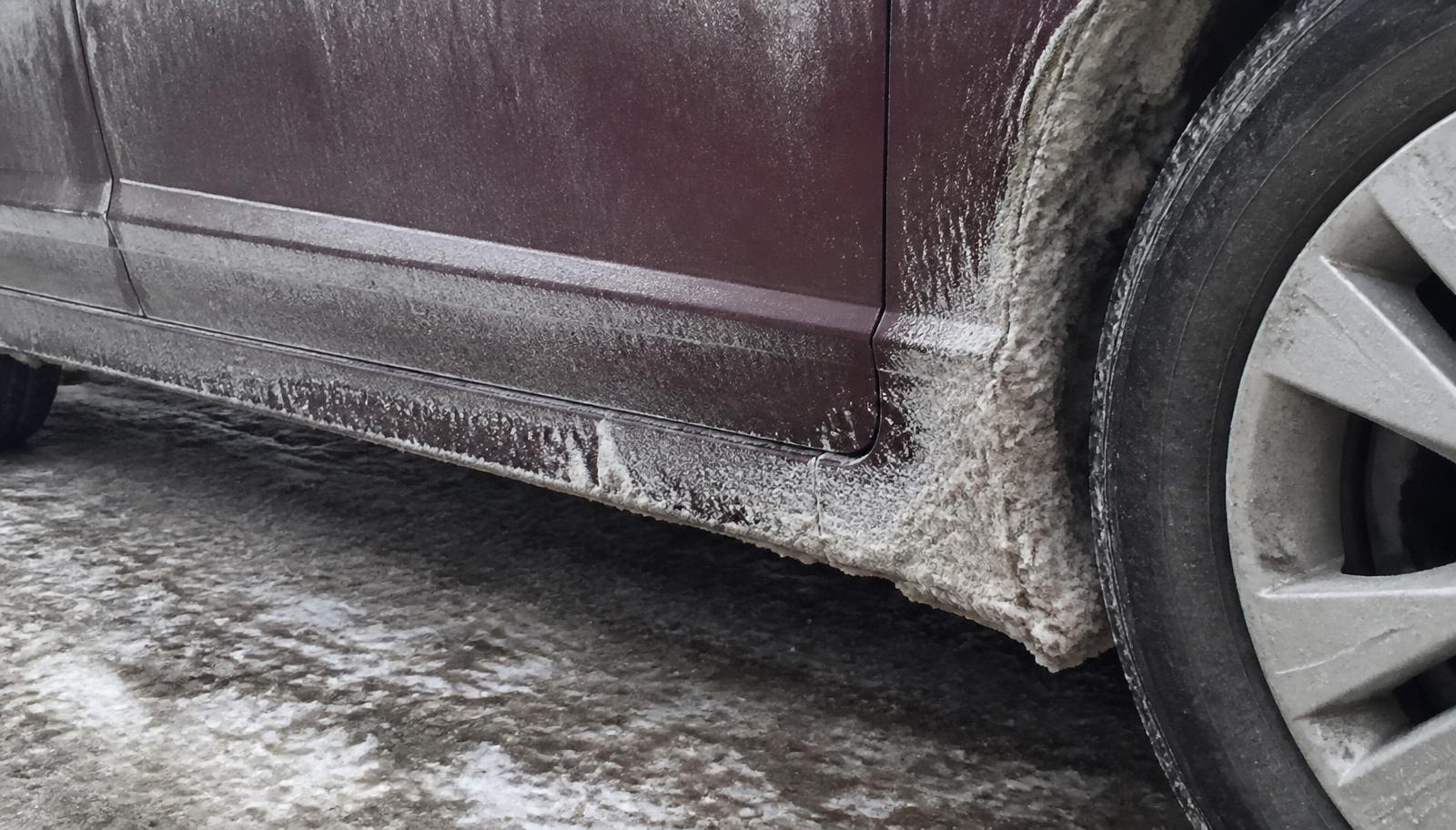
Spring (April–May). This is the most important detail of the year in Minnesota. Five months of salt, sand, brine film, and winter grime come off the paint, the carpets get extracted, and a fresh sealant goes on. Skipping it means carrying winter's chemistry into summer, where heat bakes it into your clear coat and interior surfaces.
Fall (October–November). The preparation detail. Paint gets decontaminated and sealed before the first salt truck rolls, the interior gets reset, and rubber mats go in. A sealant applied in October is doing real work every single day from November through March.
Between those two, a hand wash every two to three weeks in summer and every 10 to 14 days in winter maintains what the detail established.
When you need more than twice a year
Add a detail — usually interior-focused — for each of these that applies to you:
You have kids
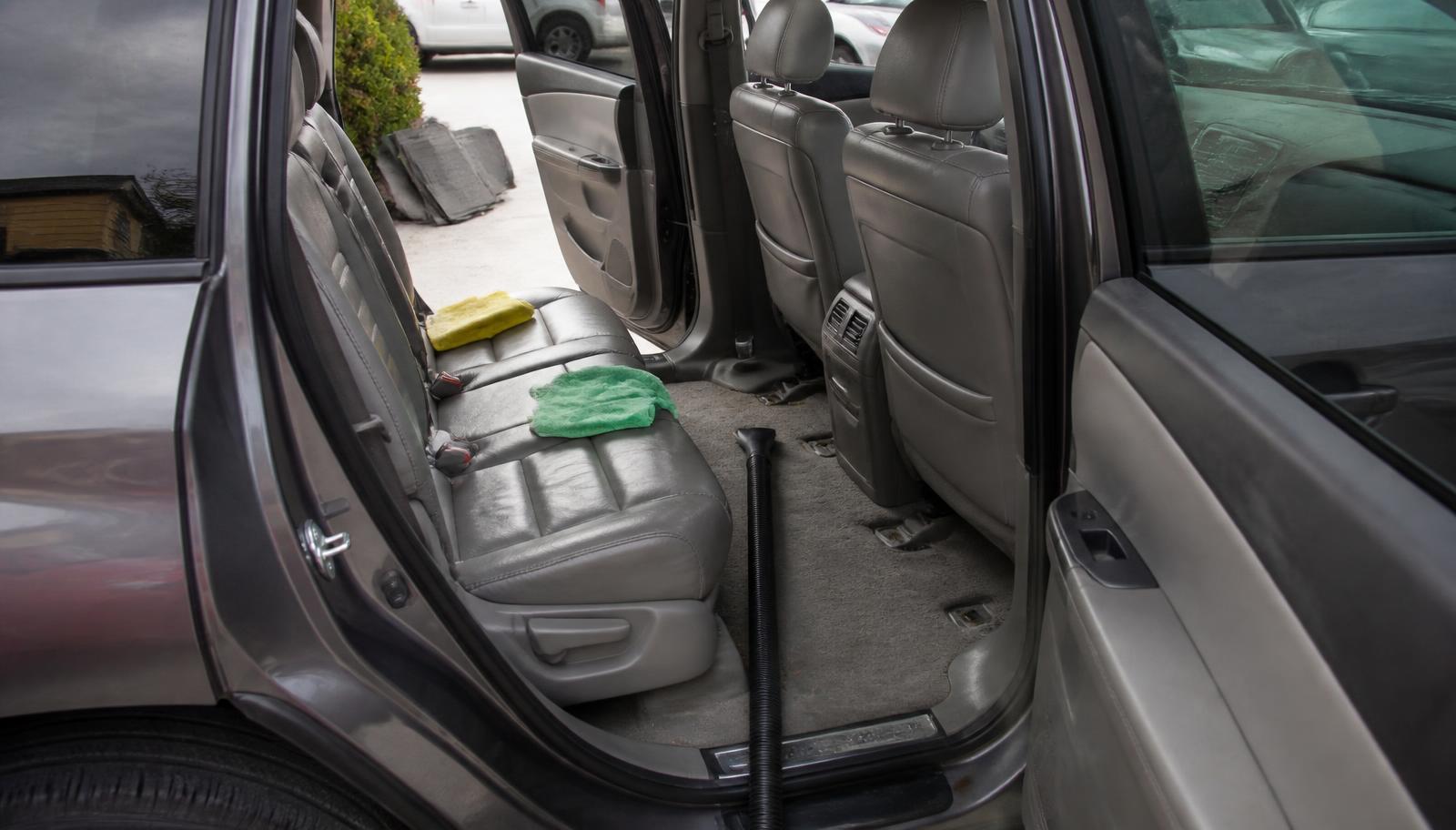
Car seats are moisture traps. Crumbs work into seat seams within days. Juice reaches the carpet backing on the first spill and stays there. Families with young kids do best on a quarterly interior detail, and the difference between quarterly and annual is dramatic: quarterly keeps a vehicle looking near-new for years, annual means we're removing a year of set-in organic staining every time.
You have a dog
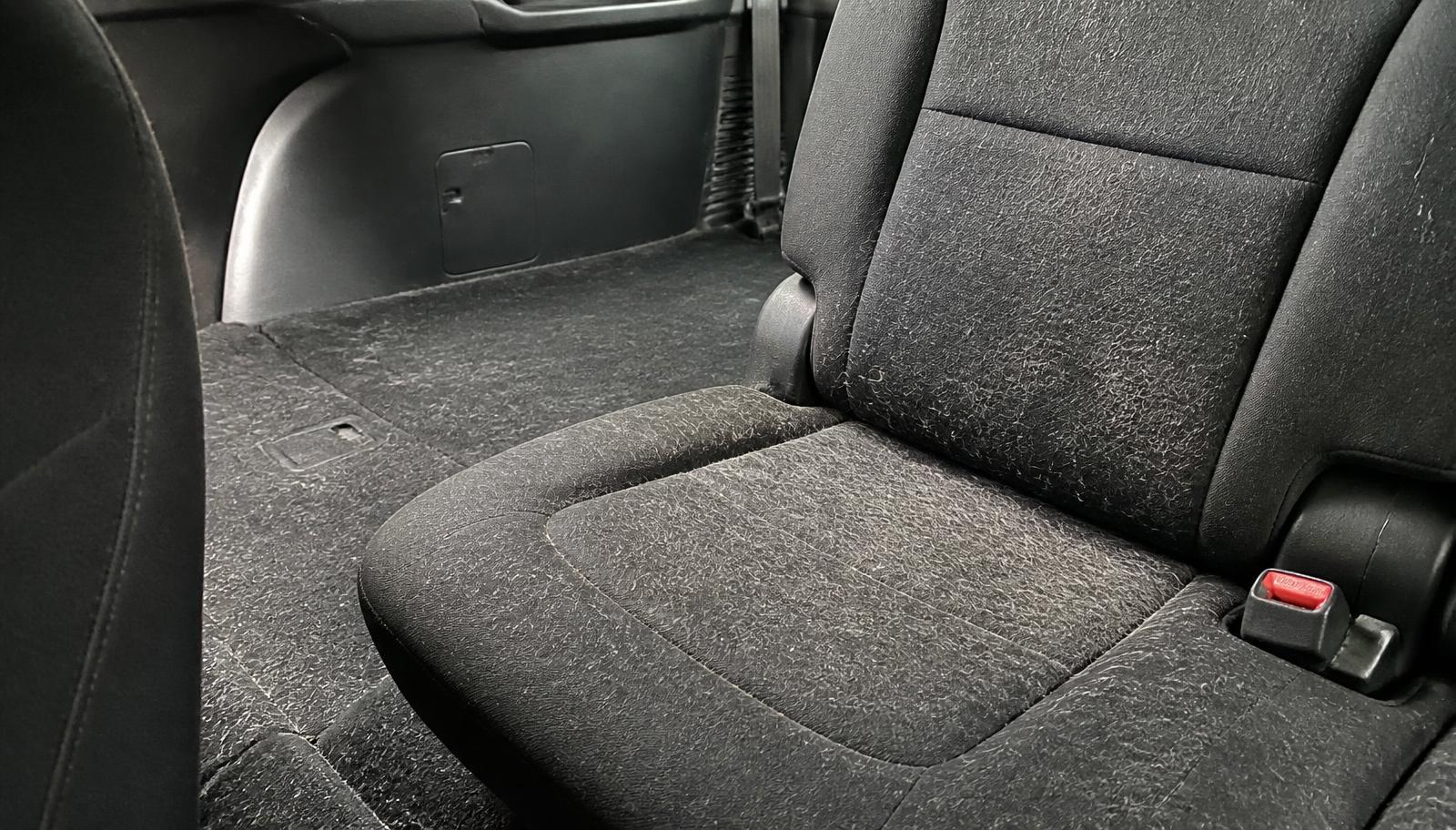
Pet hair is the single most labor-intensive interior problem, and it compounds. Fresh hair sits on the surface. Hair that's been ground into a fabric seat by six months of driving is woven into the weave and has to be pulled out mechanically, fiber by fiber. Every three to four months is the sweet spot — and we wrote a full breakdown of pet hair and stain removal if that's your main issue.
You park outside year-round
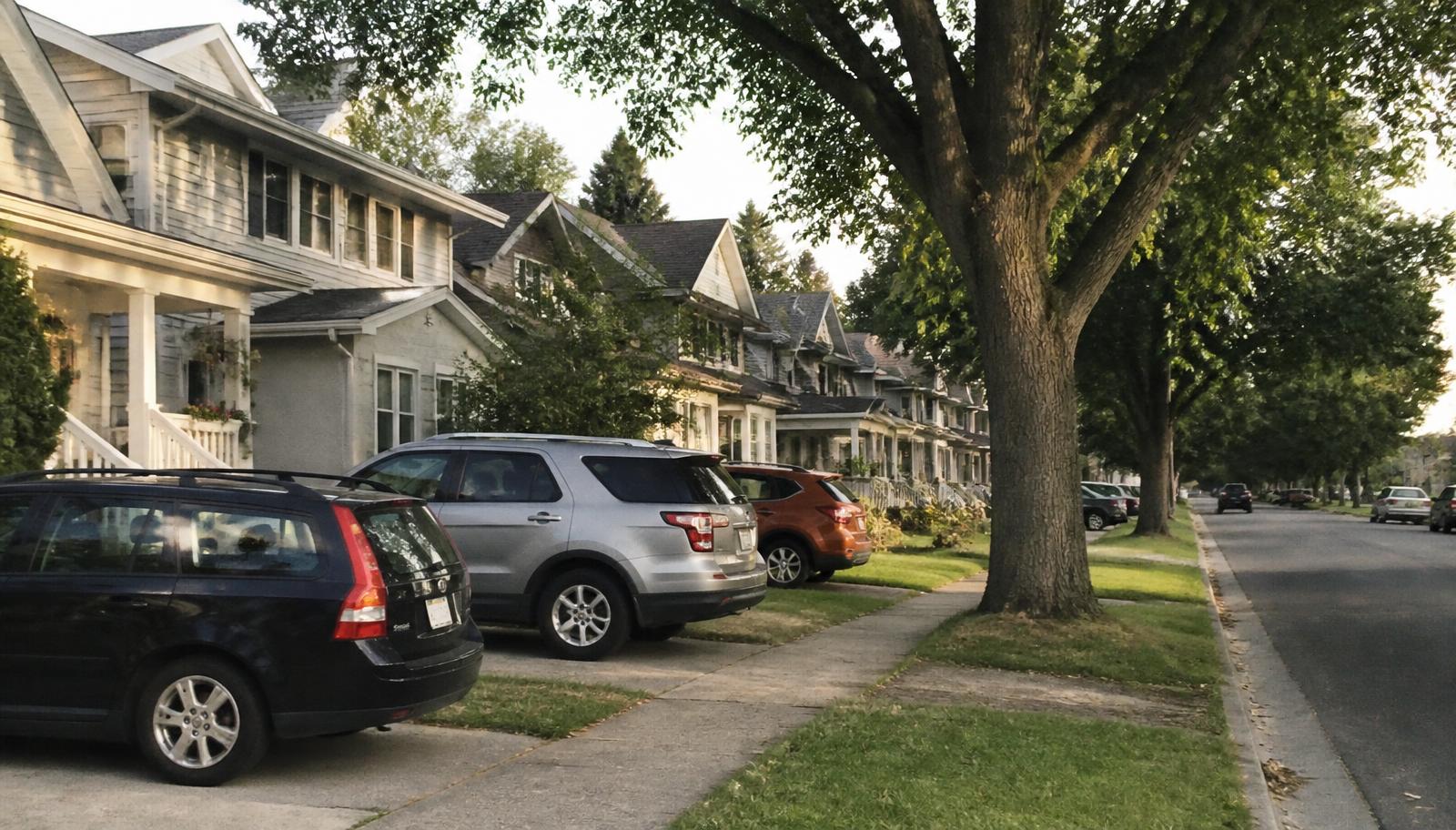
No garage means UV exposure all summer, sap and pollen in spring, and salt spray sitting on cold paint all winter. Outdoor-parked vehicles need protection reapplied more often — plan on three details a year, with an extra exterior in mid-summer.
You commute long distances
A 60-mile round trip on I-94 or 494 puts far more road film, brake dust, bug residue, and tar on your paint than a 6-mile drive across the neighborhood. High-mileage commuters should add a mid-season exterior detail between the two full details.
You smoke, vape, or transport work gear
Odor and residue accumulate in the headliner, vents, and fabric. These vehicles do best on a quarterly interior schedule, because odor removal gets significantly harder once residue saturates soft surfaces.
The Minnesota-specific factor: salt season
Everything above shifts around one reality — roughly five months of salt on the roads. Interior salt staining is the fastest-accumulating damage most Minnesota drivers experience, and it's cumulative. Salt that soaks into carpet in December is still there in March, and every thaw adds more.
That's why we recommend most drivers add a mid-winter interior detail in January or February, even if they'd otherwise be on a twice-a-year plan. Hot-water extraction pulls the dissolved salt out before it sets for the whole season. Details on why surface scrubbing doesn't work are in our road salt guide.
What actually happens when you wait too long
Detailing is preventive maintenance. When it's deferred, specific and predictable damage occurs:
Carpet fibers break down. Sand and grit act like sandpaper underfoot. Vacuuming removes it; leaving it grinds the fibers apart. Worn-through carpet doesn't come back.
Leather dries and cracks. Body oils and dirt build up, then UV dries the surface. Once leather cracks, cleaning won't fix it — reupholstering will, at ten times the cost of the details you skipped.
Clear coat gets etched. Bird droppings and bug residue are acidic. On hot paint they etch into clear coat in days. An etch is physical damage requiring polishing to remove, and severe etching goes through the clear entirely.
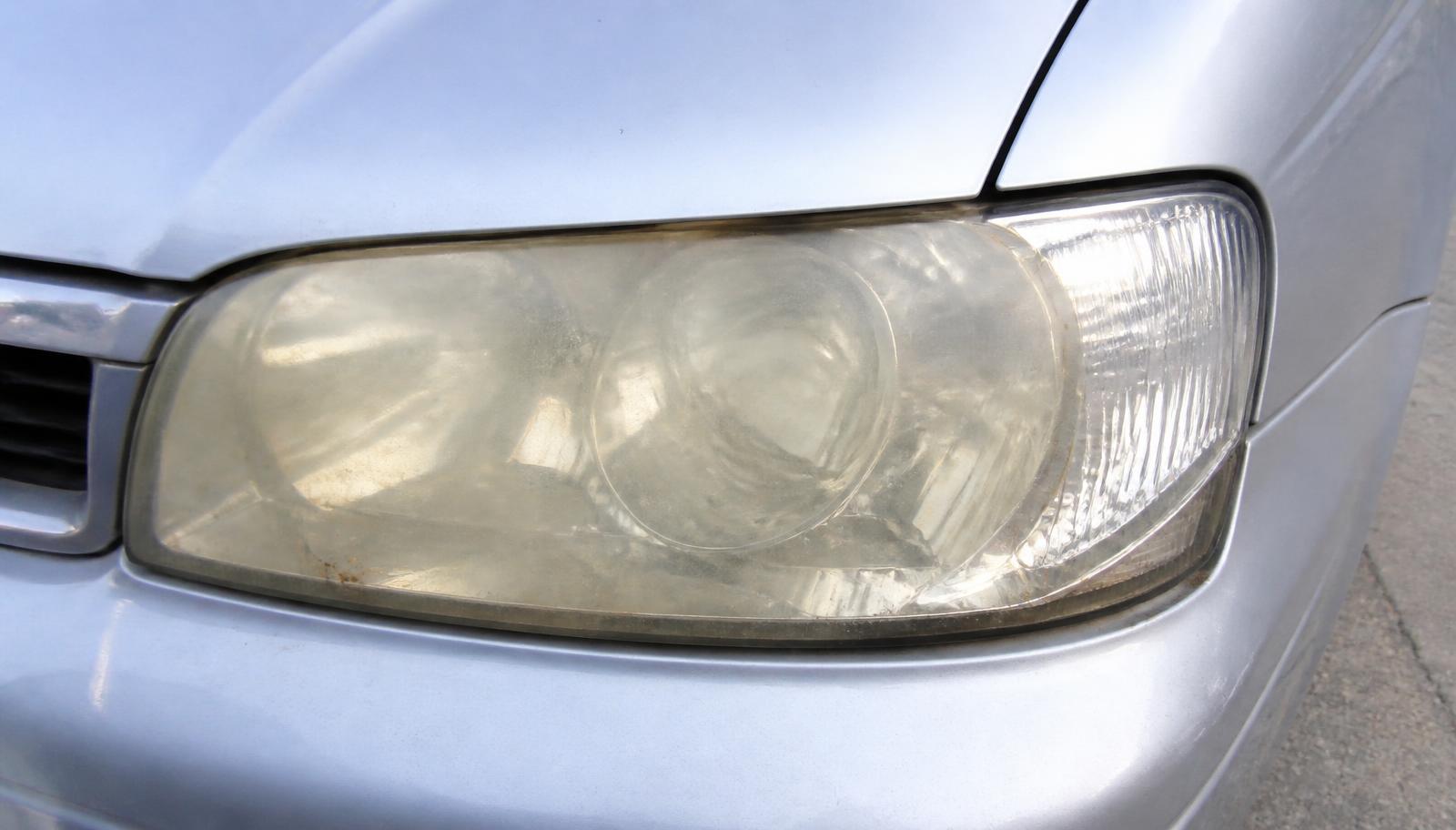
Headlights oxidize. UV degrades the polycarbonate lens surface over years. Caught early, headlight restoration makes them clear again for around $200. Ignored long enough, the only fix is new housings.
Odors become permanent. A spill cleaned within a week is a non-event. A spill that sits for a season colonizes the carpet padding with bacteria, and the smell keeps coming back until the padding is treated.
Detailing and resale value
You won't find a reliable dollar figure that says "detailing adds $X" — anyone quoting a precise number is guessing. What's defensible is this: vehicle valuations from sources like Kelley Blue Book explicitly grade condition, and condition is judged overwhelmingly on visible and olfactory evidence. Two identical vehicles with identical mileage and history do not receive identical offers when one has stained carpets, hazy headlights, and a swirled hood.
Private-party buyers are even more reactive. A clean car reads as a cared-for car. Buyers infer maintenance history from cleanliness, fairly or not — and a vehicle that smells like a dog and has salt lines on the carpet gets negotiated down before anyone opens the hood.
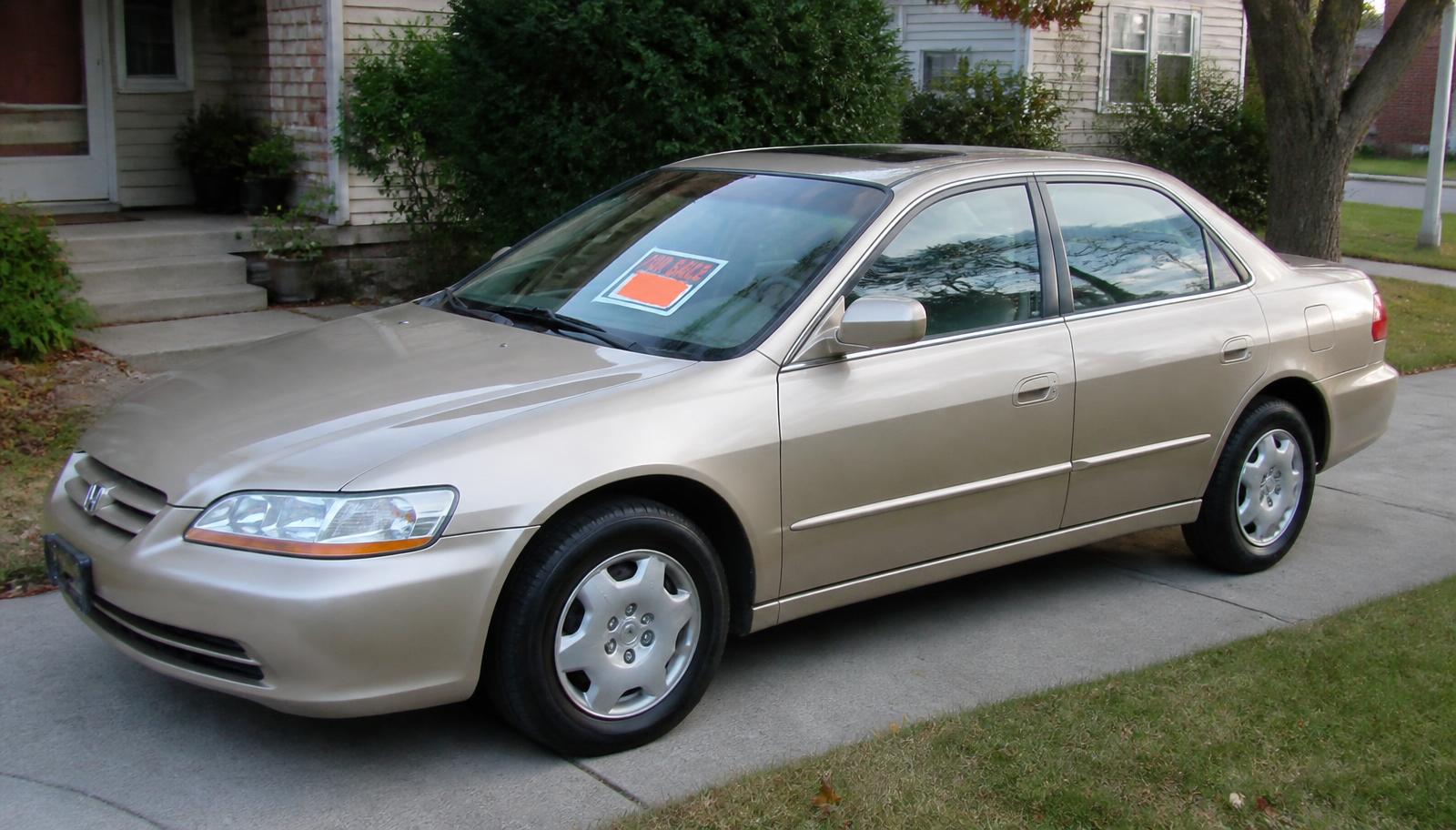
If you're selling, the highest-return move is a full detail immediately before photos. It costs a few hundred dollars and changes both the photos and the in-person impression. It's the cheapest thing you can do to a car before listing it.
Quick reference schedule
| Your situation | Recommended plan |
|---|---|
| Garage-kept commuter, no kids or pets | Full detail in spring + fall |
| Kids in car seats | Full detail spring + fall, interior detail every 3–4 months |
| Dog rides along | Full detail spring + fall, interior detail every 3 months |
| Parked outside year-round | Full detail spring + fall, extra exterior mid-summer |
| Long highway commute | Full detail spring + fall, extra exterior every 3 months |
| Preparing to sell | One full detail immediately before listing photos |
Building a plan around how long you'll keep the car
The right detailing interval also depends on your exit strategy for the vehicle.
Leased vehicles. Lease-end inspections assess wear and tear, and interior damage is one of the most commonly charged items. Stained carpets, torn upholstery, and burns show up as chargeable damage on the return report. Two details a year plus a full detail before turn-in typically costs less than a single wear-and-tear charge, and it removes the argument entirely.
Vehicles you plan to keep 10+ years. These benefit the most from consistency. The failure modes that end a car's usable life in Minnesota — rust in the rockers, corroded brake lines, cracked leather, a permanently sour interior — are all slow and all preventable. Detailing on schedule, sealing before salt season, and repairing paint chips promptly are what separate a clean 12-year-old vehicle from a tired one.
Vehicles you'll sell within a year or two. Front-load the spending. Regular maintenance matters less than one thorough reset before listing. If you can only afford one detail, do it the week you take photos.
Work trucks and job-site vehicles. Different math entirely. These accumulate dust, sawdust, mud, and spilled coffee at a rate no residential schedule accounts for. Quarterly interior work is the realistic minimum, and many trade customers book every other month simply because the cab is their office.
What a detail can't fix
Worth setting expectations. Detailing restores surfaces; it doesn't repair damage. Deep scratches through the clear coat, dents, cracked dash plastic, torn seat seams, and bleach-spotted carpet are body shop or upholstery work. A good detailer will tell you which category your problem falls into before taking your money, and we'd rather do that than hand you a disappointing result.
What you can do between details
Detailing works best paired with basic upkeep:
- Hand wash every 2–3 weeks in summer, every 10–14 days in winter with an undercarriage rinse
- Shake out floor mats weekly in winter
- Clean bird droppings and bug splatter within a day or two — they etch fast
- Keep a microfiber towel in the door for spills
- Run rubber all-weather mats from November through April
- Crack windows on hot days to reduce dashboard heat load
Bottom line
Twice a year is the floor for a Minnesota vehicle. Three to four times a year is right for most households with kids, pets, or outdoor parking. And the mid-winter interior detail is the one most people skip and shouldn't, because that's when salt is actively working its way into the surfaces you sit on.
If it's been more than a year, start with a full detail to reset the baseline, then maintain from there. Check pricing and book — we come to your driveway anywhere in the Twin Cities metro.
Frequently asked questions
How often should the average car be detailed?
Twice a year is the baseline for a garage-kept commuter. In Minnesota, spring and fall are the right two windows because they bracket salt season.
How often should I detail my car if I have kids or pets?
Every three to four months. Food, crumbs, spills, and pet hair build up faster than most owners realize, and embedded pet hair becomes exponentially harder to remove after months of being pressed into the fabric.
Does regular detailing increase resale value?
It protects it. Buyers and appraisers judge condition largely on what they can see and smell, and consistent detailing prevents the permanent damage — stained carpets, faded trim, oxidized headlights, swirled paint — that reduces an offer.
Is detailing the same as a car wash?
No. A car wash removes loose surface dirt. Detailing is a deep clean and restoration of both the interior and exterior surfaces, including extraction, decontamination, and protection steps a wash doesn't touch.
Mobile detailing, at your driveway
Serving Minneapolis, St. Paul, and the surrounding suburbs. See your exact price in under a minute.